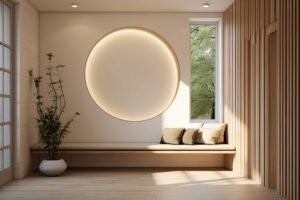
In today’s busy world, our homes should feel like a retreat — a place where we can slow down, breathe deeply, and reconnect with ourselves. Modern Japanese interior design offers exactly that. Rooted in centuries-old traditions and inspired by Zen philosophy, this design style focuses on simplicity, balance, and natural beauty.
Unlike flashy luxury trends filled with heavy décor and bold statements, Japanese minimalism embraces quiet elegance. It teaches us that true luxury is not about having more — it’s about having better. By carefully selecting materials, colors, and furniture, you can transform any space into a calm and sophisticated sanctuary.
Below are 15 minimalist secrets that will help you create a peaceful and luxurious home inspired by modern Japanese design.
Table of Contents
Exploring Modern Japanese Interior Design
- Embrace the “Less is More” Philosophy
- Choose a Neutral and Earthy Color Palette
- Use Natural Materials Generously
- Keep Furniture Low and Grounded
- Maximize Natural Light
- Create Open and Flowing Spaces
- Focus on Clean Lines and Simple Shapes
- Incorporate Indoor Plants
- Use Sliding Doors or Minimal Partitions
- Keep Storage Hidden and Organized
- Appreciate Empty Space
- Use Soft and Warm Lighting
- Add Texture Instead of Excess Decoration
- Maintain Balance and Harmony
- Practice Intentional Living
- Why Modern Japanese Design Feels Luxurious
1. Embrace the “Less is More” Philosophy
The foundation of Japanese design is simplicity. Every object in the room should have a clear purpose. Remove unnecessary décor, unused furniture, and excess accessories. When your space is uncluttered, it instantly feels larger, calmer, and more refined.
Minimalism is not the lack of things, but the presence of purpose.
2. Choose a Neutral and Earthy Color Palette
Modern Japanese interiors rely on soft, natural tones. Think warm whites, beige, taupe, soft grey, and muted browns. These colors reflect natural light beautifully and create a peaceful atmosphere.
Avoid bright, overly saturated colors. Instead, focus on shades inspired by nature — sand, stone, wood, and clouds.
3. Use Natural Materials Generously
Nature plays a central role in Japanese interiors. Wood is especially important, whether in flooring, ceiling beams, or furniture. Bamboo, stone, cotton, linen, and paper are also commonly used.
Natural materials add warmth and depth without overwhelming the space. They also age beautifully, which adds character over time.
4. Keep Furniture Low and Grounded
Low-profile furniture is a key feature of modern Japanese homes. Platform beds, low sofas, and short coffee tables create a grounded, balanced feeling.
This approach also makes ceilings appear higher and rooms feel more open. The visual simplicity of low furniture enhances the calm aesthetic.
5. Maximize Natural Light
Sunlight is essential in Japanese design. Large windows, light curtains, and open layouts allow natural light to flow freely.
Natural light softens the space and highlights textures like wood grain and linen fabrics. If large windows are not possible, use mirrors to reflect light and create brightness.
6. Create Open and Flowing Spaces
Avoid blocking pathways with bulky furniture. Japanese interiors value flow and movement. An open layout makes even small spaces feel spacious.
Keep central areas clear and arrange furniture along the edges when possible. This improves both functionality and visual balance.
7. Focus on Clean Lines and Simple Shapes
Modern Japanese design avoids heavy ornamentation. Furniture and décor pieces often feature straight lines and subtle curves.
Clean lines create order and harmony. When everything feels balanced, the room naturally appears more luxurious.
8. Incorporate Indoor Plants
Adding greenery strengthens the connection between indoor and outdoor spaces. A single bonsai tree, a small bamboo plant, or a simple leafy plant can transform a room.
The key is moderation. One carefully placed plant often looks more elegant than several scattered around.
9. Use Sliding Doors or Minimal Partitions
Traditional Japanese homes use sliding panels, which save space and maintain openness. While you may not install traditional panels, you can use sliding doors or minimalist room dividers to create a similar effect.
This keeps the space flexible and adaptable.
10. Keep Storage Hidden and Organized
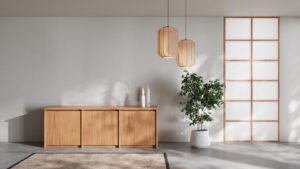
Clutter disrupts calmness. Smart storage solutions are essential for maintaining a minimalist look.Use built-in cabinets, under-bed storage, hidden drawers, and multi-functional furniture. Everything should have a designated place
11. Appreciate Empty Space
In Japanese design, empty space is meaningful. It allows the room to breathe and highlights the beauty of individual objects.
Resist the urge to fill every wall or corner. Sometimes, leaving space untouched creates the most powerful visual impact.
12. Use Soft and Warm Lighting
Lighting plays a major role in creating a peaceful atmosphere. Avoid harsh white lights. Instead, choose warm, soft lighting through table lamps, floor lamps, or pendant lights.
Indirect lighting creates gentle shadows that enhance the room’s depth and comfort.
13. Add Texture Instead of Excess Decoration
Rather than decorating with many small items, add interest through texture. Linen curtains, woven rugs, textured walls, and wooden surfaces create subtle visual richness.
Texture adds sophistication without cluttering the room.
14. Maintain Balance and Harmony
Balance is a core principle in Japanese aesthetics. Furniture placement should feel even and intentional.
Make sure bulky items aren’t concentrated in one area. Spread visual weight evenly to create harmony.
15. Practice Intentional Living
The most important secret is mindset. Japanese minimalism encourages mindful living. Hold on only to things that truly enhance your everyday living.
Put your money into designs that age gracefully, not temporary styles. When your surroundings are intentional, your lifestyle becomes more peaceful.
Why Modern Japanese Design Feels Luxurious
Luxury does not always mean expensive materials or grand decorations. In Japanese interiors, luxury is found in calmness, balance, and thoughtful design.
Spacious layouts, natural textures, and refined simplicity create a sense of emotional comfort. An organized home promotes mental clarity and lowers anxiety.